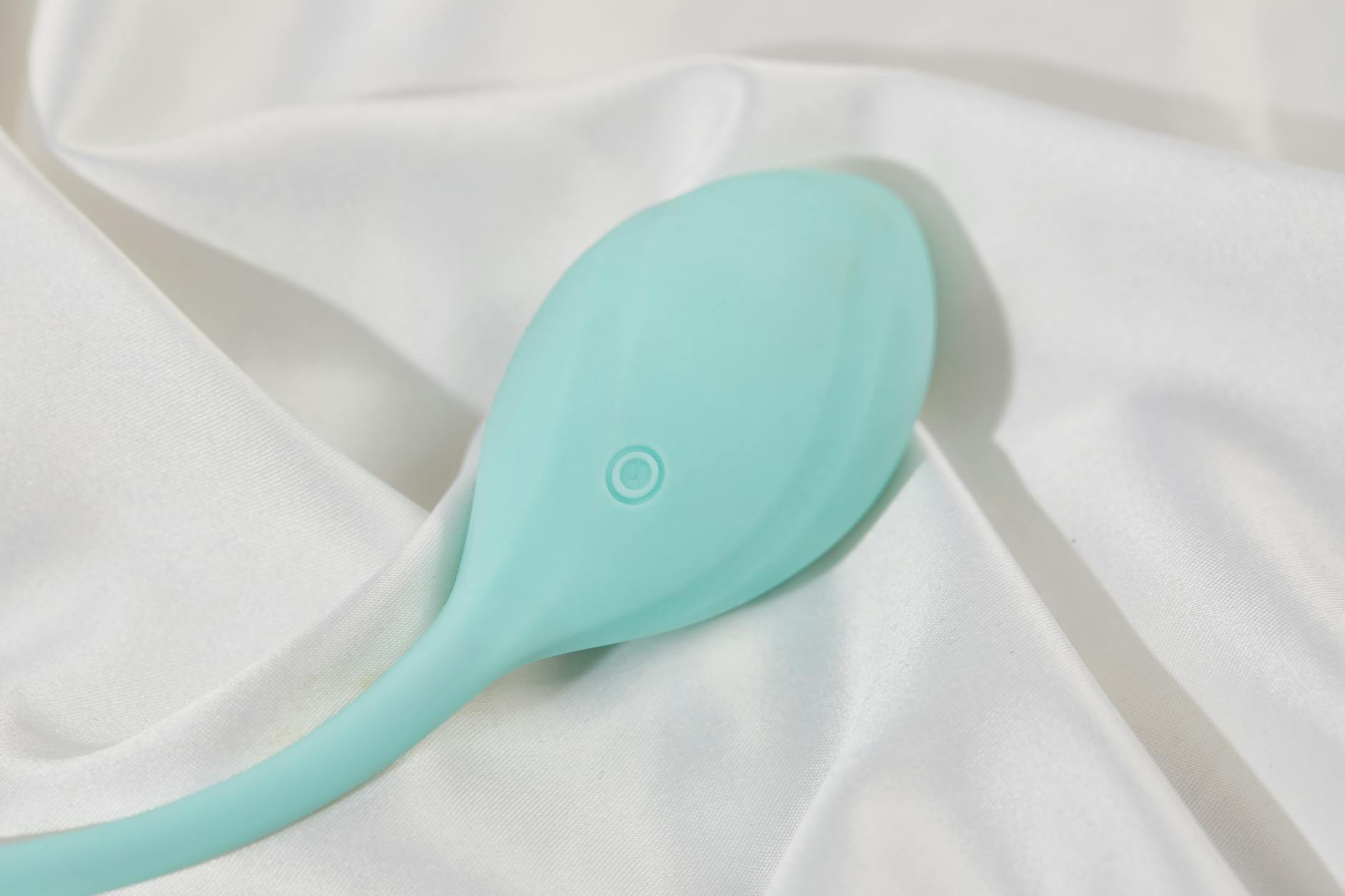
Here's the thing about sensitive clitoral tissue
Not all vibrators feel the same. For people with sensitive vulvas, the difference between pleasure and discomfort often comes down to the mechanism itself. That's where lemon vibrators and their suction-based design change the game entirely.
Let me explain what's actually happening when you use different types of toys, and why some feel like relief while others feel like punishment.
The difference between friction and suction stimulation
Most vibrators work by rapid oscillation. The toy moves back and forth against tissue hundreds of times per minute. This creates direct friction and can feel abrasive, especially on thinner, more delicate skin. For sensitive people, this friction accumulates. By minute three, what started gentle becomes irritating.
Suction-based lemon vibrators operate on a completely different principle. Instead of vibrating side to side, they gently cup and release the clitoral head using rhythmic pulses. Think of it like a soft kiss that varies in intensity rather than sandpaper at high speed. The stimulation is indirect. It reaches the clitoris through the suction motion, not through persistent rubbing.
This matters because the clitoris has over 8,000 nerve endings concentrated in a tiny area. Sensitive tissue doesn't need aggressive stimulation. It needs intelligent stimulation. Suction delivers exactly that.
Why traditional vibrators backfire on sensitive people
The clitoris is incredibly responsive. When tissue is already sensitive, adding direct vibration can feel like: overwhelming, numb-inducing, or actually painful. Some people describe it as sandpaper. Others say it feels like their nerve endings are being attacked.
This isn't weakness. This is normal physiology for about 30 percent of vulva owners. Sensitivity can come from hormonal cycles, previous trauma, anxiety, or simply how your nervous system is wired. None of these are fixable by just "trying harder" or reaching for a more powerful vibrator.
Adding more intensity to direct friction doesn't solve the problem. It makes it worse.
How suction technology protects sensitive tissue
When you use a lemon vibrator or other suction-based clitoral vibrator, several things happen differently:
First, the seal around the clitoral head creates a gentle pressure differential. This draws blood flow to the area without aggressive rubbing. Blood flow equals arousal equals capacity for sensation. The tissue becomes more responsive, not more irritated.
Second, the suction action stimulates a wider nerve network. Instead of concentrating all stimulation on the most sensitive point, suction spreads the sensation across the clitoral tissue. This distributes the load and prevents the overstimulation that causes numbness.
Third, you can control intensity intuitively. With traditional vibrators, you're choosing between "low buzz" and "high buzz." With suction toys, you're adjusting the suction strength and pulse pattern. Most people find that medium settings on a lemon vibrator feel more intense than high settings on a regular wand.
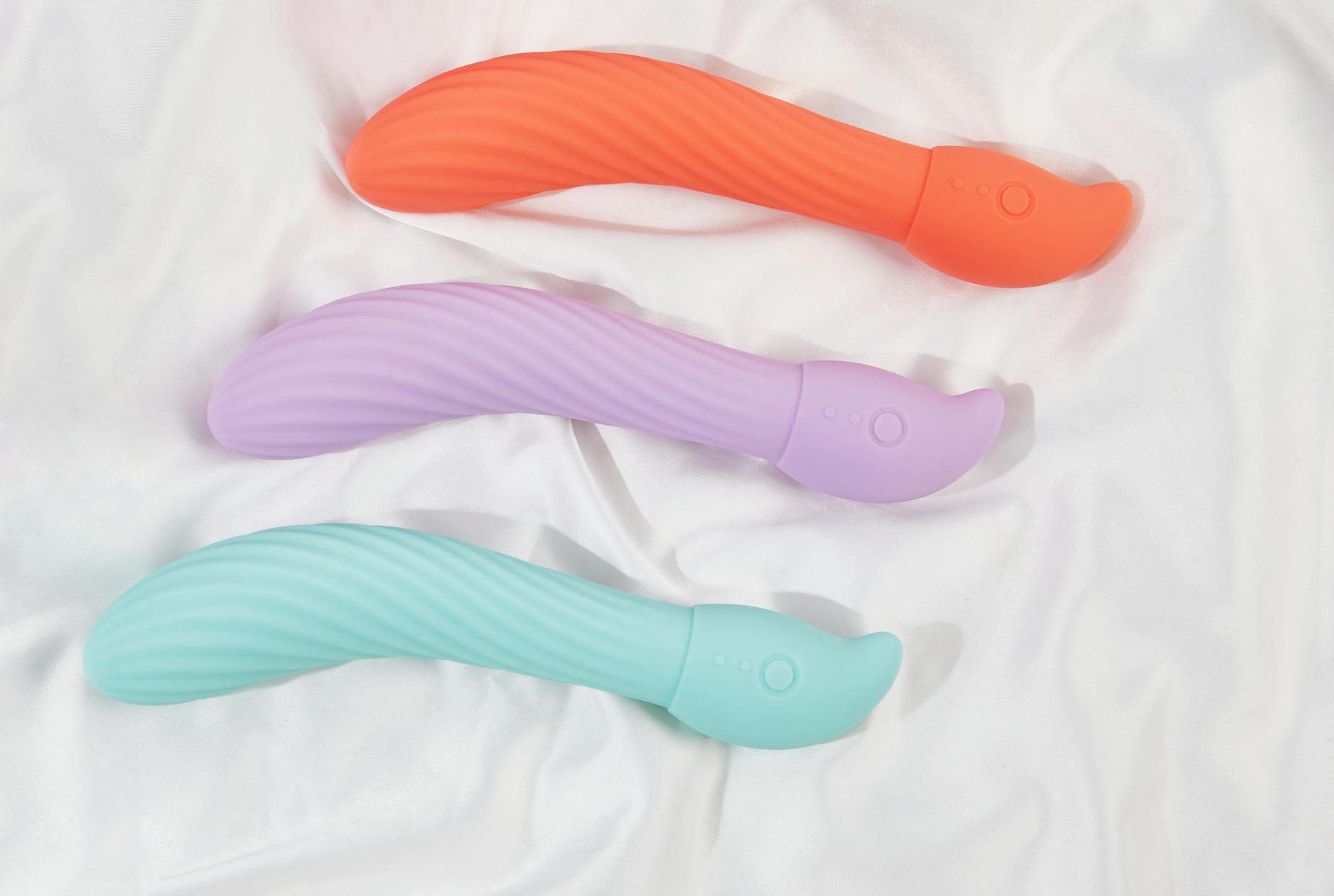
Photo by IFONNX Toys on Pexels
The research backs this up
Studies on clitoral suction devices show that users report higher satisfaction rates and fewer instances of discomfort compared to traditional vibration alone. A 2020 review in the Sexual and Relationship Therapy journal found that air-pulsed stimulation produces stronger orgasms while requiring less sustained stimulation to reach climax. That's huge for sensitive people who tire quickly or experience numbness.
The mechanism also matters for long-term tissue health. Repeated direct friction can lead to changes in sensitivity over time. Some people experience desensitization after years of high-intensity vibration. Suction-based stimulation doesn't carry the same risk because the mechanism is gentler and more distributed.
Built-in design features that help sensitive users
Hello Nancy's lemon vibrators and similar adult toys in this category include several features that matter specifically for sensitive tissue:
Small head diameter means concentrated suction without creating a vacuum that feels like the toy is trying to eat you. Larger heads distribute the sensation too much. Smaller heads create the Goldilocks zone of stimulation.
Variable intensity settings let you start low. You should never need to jump straight to high intensity. Good lemon clitoral vibrators let you explore patterns at every power level. This gives your nervous system time to adjust and helps you find what actually works.
Soft silicone exterior prevents the hard-plastic-on-skin irritation that makes sensitive people flinch. If a toy is cold, hard, or rigid, it's already creating a barrier between your body and pleasure.
How to use a lemon vibrator if you have sensitive tissue
Even with the right toy, technique matters. Start with the toy off. Let it warm to body temperature by holding it or resting it against your skin. Cold toys feel shocking and can trigger tension.
Apply a water-based lubricant before use. Suction works better with a tiny bit of moisture. The seal is more effective, and glide is smoother. Never skip this step.
Start at pattern one, lowest intensity. Spend 2-3 minutes just exploring how the sensation feels. Your body is learning. Your nervous system is calibrating. This isn't foreplay padding. This is essential.
If numbness starts to creep in, pause. Give tissue 30 seconds to reset. Then resume. Numbness is your body saying "that's enough direct stimulation right now." Listen to it. You can always come back to it in five minutes.
Most sensitive people find they prefer medium-intensity suction over sustained low intensity. The variation prevents the adaptation your nerves do to repetitive stimulation.
When sensitivity is actually something else
Sometimes what feels like "my tissue is too sensitive" is actually:
Tension, which makes everything feel raw. Your pelvic floor holds stress. When it's tight, direct touch feels unbearable. Breathing exercises and intentional relaxation before using any toy helps more than switching devices.
Anxiety, which can make even gentle touch feel overwhelming. If you're in your head worrying about whether this is working, your body can't relax enough to feel pleasure. That's not a toy problem. That's a nervous-system problem that might need grounding or mindfulness work first.
Inadequate arousal, which leaves tissue dry and unreceptive. If you're jumping straight to the toy without buildup, sensitive tissue won't cooperate. Spend time on what actually turns you on first. Mental arousal is 90 percent of this.
Medication side effects, which can genuinely change sensitivity. SSRIs, birth control, and blood pressure meds all affect blood flow and nerve sensation. If sensitivity appeared suddenly after starting something new, talk to your doctor before assuming it's permanent.
The bottom line on lemon vibrators and sensitive tissue
If traditional vibrators have made you think you're not a "toy person," you might just be a "suction person." The technology is different enough to feel entirely new. Many people who struggled with direct vibration find that their first experience with a lemon clitoral vibrator is the first time they've felt genuine pleasure with a toy.
Sensitive tissue isn't broken. It's just asking for a different approach. That approach exists. It's called intelligent design.
Ready to explore? Check out The Complete Guide to Lemon Vibrators for a deeper dive into how different suction toys work and which might suit your body best.
People also ask
Are lemon vibrators safe for sensitive skin?
Yes. Lemon vibrators and other suction-based clitoral vibrators are designed specifically with tissue sensitivity in mind. They use medical-grade silicone that's hypoallergenic and nonporous, which means bacteria can't hide in cracks. The suction mechanism itself distributes pressure gently rather than concentrating it in one spot. As long as you're using a toy from a reputable brand like Hello Nancy, maintaining proper hygiene, and using water-based lubricant, they're extremely safe. If you have a history of vulvovaginal trauma or pain conditions like vulvodynia, check with your pelvic floor physical therapist first.
Why does my vibrator feel numb after a few minutes?
This is adaptation. Your nerve endings are remarkably efficient at filtering out constant stimulation once they recognize it's not a threat. To prevent numbness, vary the intensity or pause every 2-3 minutes. Switch between suction patterns. Apply slightly more pressure or less pressure. Change the angle of the toy. Your goal is to keep the stimulation "new" to your nervous system so it stays engaged. Suction toys are better at preventing this than traditional vibrators because the pulsing action naturally varies intensity, but you still need to be intentional about preventing monotony.
Can sensitive tissue orgasm as intensely as less sensitive tissue?
Absolutely. Intensity of orgasm has almost nothing to do with baseline tissue sensitivity. Many people with sensitive vulvas report their strongest orgasms because they're not fighting against numbness or irritation. They're working with their body's natural responsiveness instead of against it. The key is finding stimulation that matches your neurology, not fighting your physiology.
Is there a difference between "sensitive" and "numb"?
Yes, and it matters for choosing a toy. Sensitive means touch feels more pronounced, sometimes overwhelming. You need gentler, less direct stimulation. Numbness means you feel little to nothing even with intense stimulation. Numbness often responds better to suction toys because the indirect stimulation can wake up sensation that direct vibration flattened. If you're truly numb, a lemon vibrator might be your breakthrough. If you're sensitive, it will definitely be gentler.
What lubricant works best with lemon vibrators?
Water-based only. Silicone lubricant will degrade silicone toys. Oil-based lubes trap bacteria. Stick with a quality water-based lube and reapply as needed. The suction actually works better with a thin layer of moisture because the seal is more effective and glide is smoother. Some people prefer a thick water-based gel. Others prefer something thinner. Try both and see what your tissue prefers. Your body knows.
How often can I safely use a lemon vibrator?
Daily, if you want to. There's no limit on how often you can use a well-designed clitoral vibrator. Some people use them multiple times a day. Others use them weekly. Your body will tell you what feels good. The only caution is if you experience irritation or rawness, which suggests you need more recovery time between sessions or that you need more lubrication during use. Listen to your body's feedback. It's always right.
Sources
Meston, C. M., & Frohlich, P. F. (2000). The neurobiology of sexual function. Archives of General Psychiatry, 57(11), 1012-1030.
Herbenick, D., Schick, V., & Reece, M. (2013). Characteristics of vibrator use by women in the United States: Results from a nationally representative study. Sexual and Relationship Therapy, 28(2), 117-124.
Kingsberg, S. A., & Woodard, T. (2015). Female sexual dysfunction: Focus on low desire. Obstetrics and Gynecology, 125(2), 477-486.